Source abs electric window switch for Cars, Trucks, and Buses
Compare 30 listings for the abs electric window switch from verified Chinese suppliers. Buyers can evaluate prices, MOQs, and delivery times for various vehicle models and model numbers. Explore options with different certifications and packaging types to find the best fit for your repair needs.
Key considerations
Products List




Comprehensive Sourcing Guide
Abs Electric Window Switch Sourcing Guide
Sourcing ABS electric window switches requires a disciplined approach to verifying component integrity and supplier reliability. These switches are critical for vehicle safety and user experience, making material quality and electrical performance non-negotiable. Buyers must prioritize suppliers who demonstrate consistent manufacturing standards and transparent supply chain practices. The following guide outlines the essential steps for evaluating products, ensuring compliance, and managing commercial risks effectively.
Procurement teams should focus on technical specifications, compliance documentation, and supplier qualifications. This guide provides a structured framework for assessing potential vendors and products. By adhering to these guidelines, buyers can mitigate risks associated with defective components, non-compliant materials, and unreliable delivery schedules. The goal is to establish a robust sourcing strategy that supports long-term operational efficiency and product quality.
Product Scope and Observed Listing Signals
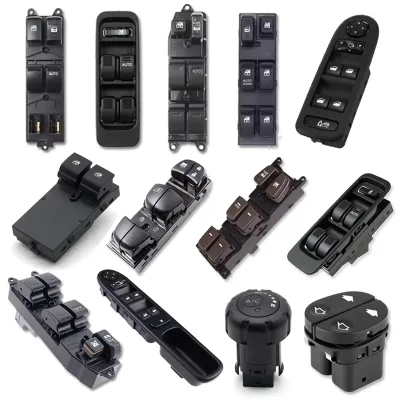
The observed market for ABS electric window switches includes a variety of models designed for different vehicle applications. Listings indicate a wide range of model numbers, such as Jx-Wz-0271, Opt-Gz-0721, and KD-M3, suggesting diverse compatibility with various car makes. These switches are typically brand-new and intended for replacement or repair purposes. Buyers should verify the specific fitment for their target vehicles, as the "Various vehicle models" attribute requires careful cross-referencing with OEM part numbers.
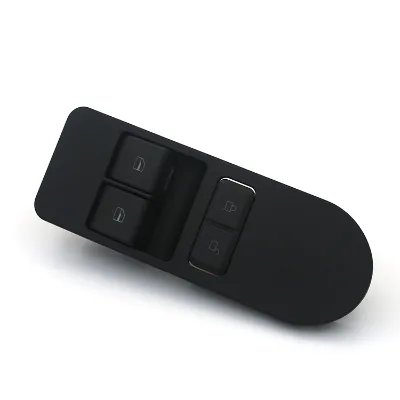
Packaging and physical attributes vary across suppliers, with options including neutral packaging, white boxes, and OPP bags. Standard dimensions like 301210cm and weights around 0.1kg are common, aiding in logistics planning. The switches are generally black and lack integrated lamps, focusing on core functionality. Buyers must confirm these physical details to ensure compatibility with existing vehicle interiors and installation processes, avoiding mismatches that could lead to returns or additional costs.
Technical Specifications to Verify
Verifying technical specifications is crucial for ensuring the switch meets performance requirements. Key attributes include the model number, material composition, and electrical ratings. The switches are often made from UL thermoplastics, providing durability and safety. Buyers should confirm the safety level, such as Level 3/Cat.4, and ensure the product adheres to relevant safety standards like En 60947-5-1. These details are essential for assessing the switch's reliability under various operating conditions and its compliance with industry norms.
Additional technical details include the switch's purpose, which is typically for replacement or repair, and its customization availability. Buyers should inquire about the switch's lamp configuration, as some models may lack integrated lighting. The model number, such as 84820-33060, serves as a unique identifier for compatibility checks. Confirming these specifications with the supplier ensures that the purchased switches align with the vehicle's electrical system and mechanical requirements, preventing installation issues and performance failures.
Compliance and Safety Documentation
Compliance with safety and environmental standards is mandatory for automotive components. Buyers must verify that suppliers provide valid certifications, such as RoHS, CE, CCC, and CQC. These certifications indicate that the switches meet specific safety and environmental regulations. The presence of these documents is a strong indicator of a supplier's commitment to quality and regulatory adherence. Buyers should request copies of these certificates and validate their authenticity through the issuing bodies.
In addition to certifications, buyers should assess the supplier's quality management systems and testing procedures. Documentation should include test reports for electrical performance, durability, and environmental resistance. These reports provide evidence that the switches have undergone rigorous testing and meet industry standards. Buyers should also inquire about the supplier's process for handling non-conforming products and their approach to continuous improvement. This information helps in evaluating the supplier's overall reliability and commitment to quality.
Cost Drivers and Commercial Terms
Cost drivers for ABS electric window switches include material costs, manufacturing complexity, and order volume. The observed price range of 0.2-30 USD reflects variations in quality, features, and supplier pricing strategies. Buyers should consider the total cost of ownership, including shipping, tariffs, and potential returns, rather than focusing solely on the unit price. Negotiating favorable commercial terms, such as flexible payment options and volume discounts, can significantly impact the overall cost.
Lead times and minimum order quantities (MOQs) are also critical commercial factors. Observed lead times range from 3-25 days, with some suppliers offering faster delivery options. MOQs vary from 1 to 2500 pieces, allowing for flexibility in order sizing. Buyers should align their order quantities with their inventory needs and cash flow constraints. Clear communication with suppliers regarding delivery schedules and order processing can help avoid delays and ensure timely receipt of goods, supporting smooth production operations.
Supplier Qualification and Quality Control
Supplier qualification involves assessing the supplier's manufacturing capabilities, quality control processes, and financial stability. Buyers should conduct on-site audits or request detailed information about the supplier's production facilities and equipment. The supplier's location, such as Shanghai or Ningbo, China, may influence logistics and communication. Buyers should verify the supplier's track record, including their experience in producing automotive components and their reputation in the market.
Quality control measures should include incoming material inspections, in-process checks, and final product testing. Buyers should inquire about the supplier's defect rate and their approach to handling non-conforming products. A robust quality management system, such as ISO 9001, is a strong indicator of a supplier's commitment to quality. Buyers should also assess the supplier's customer service and support capabilities, ensuring they can provide timely assistance and resolve any issues that may arise during the procurement process.
Long-Term Procurement Checks
Long-term procurement checks involve monitoring supplier performance and maintaining strong relationships. Buyers should establish key performance indicators (KPIs) to track delivery times, product quality, and customer service. Regular performance reviews help identify areas for improvement and ensure that suppliers meet agreed-upon standards. Building a collaborative relationship with suppliers can lead to better pricing, priority treatment, and access to new products and technologies.
Continuous improvement initiatives should include regular feedback sessions and joint problem-solving efforts. Buyers should encourage suppliers to innovate and enhance their products and processes. Staying informed about industry trends and regulatory changes is essential for maintaining compliance and competitiveness. By proactively managing supplier relationships and focusing on continuous improvement, buyers can secure a reliable supply of high-quality ABS electric window switches, supporting their long-term business success.
FAQs
What is the warranty period for these switches?
The warranty period is typically 12 months for most models, though some variants offer 6 months coverage. This ensures protection against manufacturing defects during the specified duration. Buyers should verify the exact term for their specific model number before finalizing the purchase order.
Can I customize the packaging for bulk orders?
Yes, customization is available for packaging needs. Products often come in neutral packaging or white boxes, but specific requirements can be arranged. This flexibility allows buyers to align packaging with their branding or logistical preferences while maintaining the standard product quality.
Which certifications do these window switches hold?
These switches hold certifications such as RoHS, CE, CCC, and CQC. These standards ensure compliance with safety and environmental regulations for electrical components. Buyers can rely on these documented certifications when sourcing products for markets requiring strict regulatory adherence.
How long is the delivery time for orders?
Delivery times generally range from 3 to 25 days depending on order specifics. Some standard items may ship within 7 to 10 days. This lead time allows for efficient planning while accommodating variations in production schedules and shipping logistics for different regions.
What is the minimum order quantity for purchase?
The minimum order quantity is 10 pieces for standard transactions. However, observed ranges extend from 1 to 2500 units based on supplier terms. Buyers should confirm the specific MOQ with the vendor to ensure their order meets the required threshold for processing.
Where are these products manufactured?
Products originate from China, with specific production hubs in Shanghai and Ningbo. This location data helps buyers understand the supply chain logistics and potential shipping routes. The manufacturing base supports the high-quality standards and competitive pricing observed in the market.
What material is used for the switch housing?
The housing is constructed from UL Thermoplastics, ensuring durability and safety. This material choice supports the high-quality rating and compliance with safety standards like En 60947-5-1. It provides reliable performance for electrical appliances and machinery applications requiring robust components.